
When Things Don’t Line Up
If you feel like you’re living in a misaligned world, you’re not alone. Wars, natural disasters, geopolitical instability, inequality, and a pervasive sense that things aren’t quite the way they should (or could) be have become part of the background noise of modern life. Many of us carry a quiet sense that we’re living inside systems that move too fast, pull in too many directions, and rarely pause long enough to make sense of themselves.
In our personal lives, this same tension plays out more subtly. Moments when things refuse to line up. The internal fragmentation that comes from competing demands and conflicting narratives. Family, work, finances, identity, responsibility – all tugging at once. When we slow down enough to notice, it’s not just exhausting; it’s disorienting. Something essential feels absent.
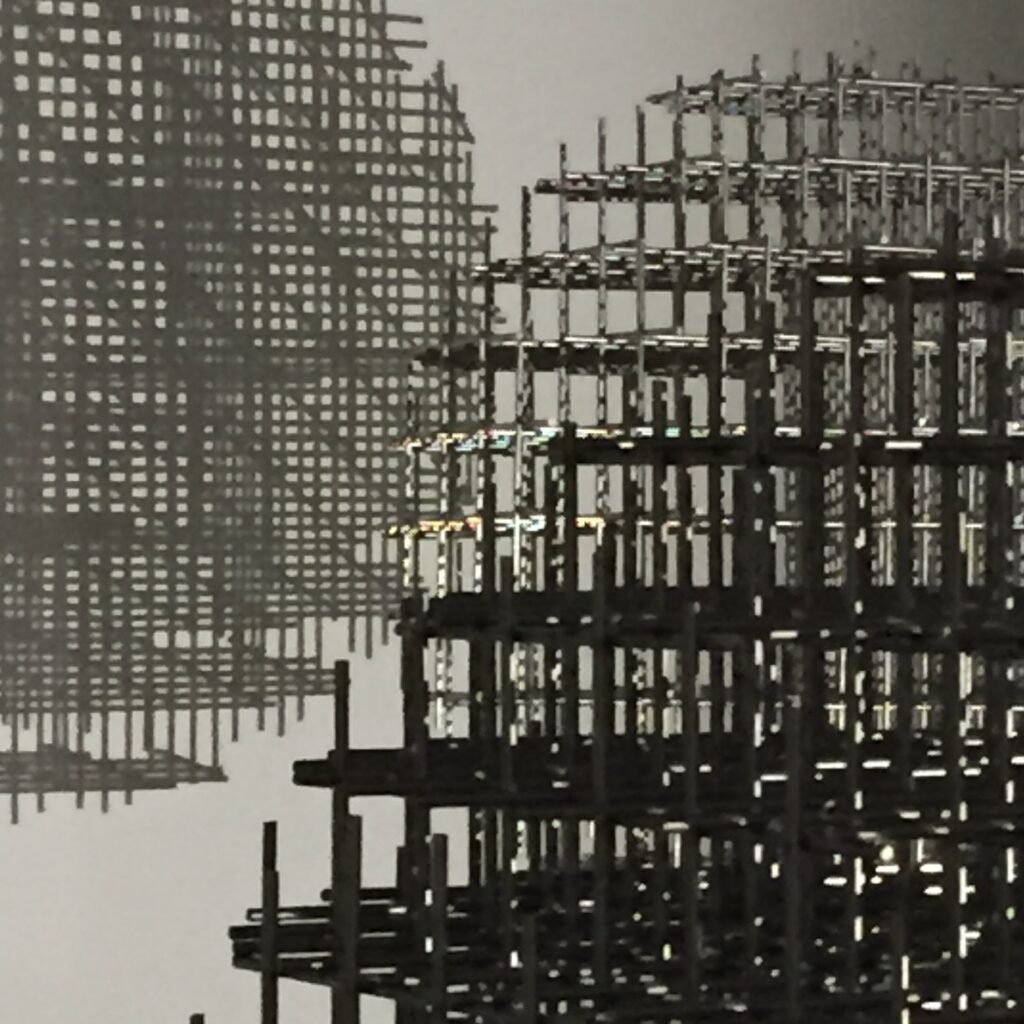
Coherence attempted, but not yet resolved.
Coherence is often mistaken for harmony, agreement, or order; but those are surface conditions. Coherence is not the absence of tension. It’s what allows tension to exist without tearing a system apart. In nature, coherence is what lets countless variables interact while maintaining form. In living systems, it’s what enables growth without collapse. In human experience, it’s what allows us to respond to complexity without becoming internally divided.
When coherence is missing, fragmentation takes its place. We begin to compartmentalise. Parts of ourselves are emphasised or suppressed depending on context. We adapt to systems that reward performance over alignment, productivity over integration. Over time, this creates a quiet but persistent strain; the sense of being pulled apart by the very structures we’re trying to survive within.
Coherence doesn’t demand that everything agree. It asks something more subtle; that the parts of a system remain in relationship. Difference is not erased, but held. Action, intention, and context are able to speak to one another rather than compete for dominance.
The struggle is part of the signal.
-KG